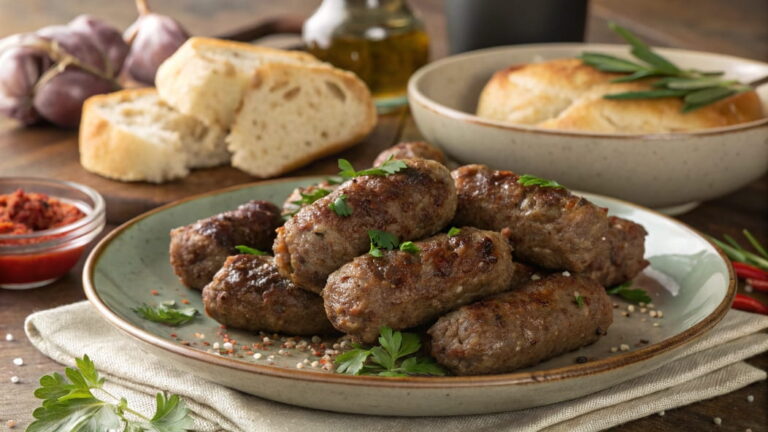
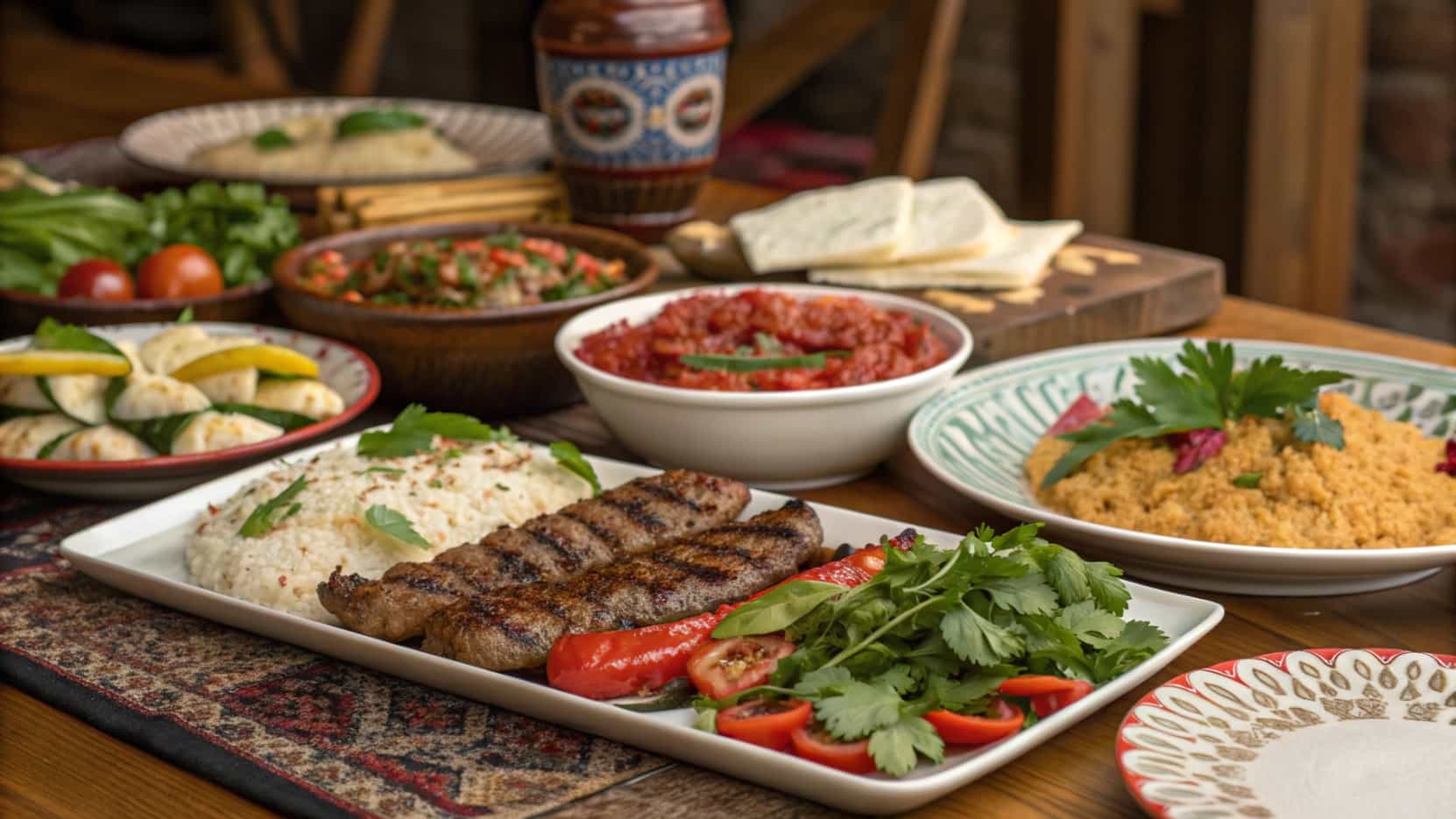
Ceıvır – Taste The Flavours Of Turkey’s Best-Kept Secret!
When we talk about global cuisines, certain staples like Italian pasta, Indian curries, and French pastries often steal the spotlight. However, amidst these globally recognized culinary traditions lies a hidden gem — Ceıvır. A cuisine that has long remained under the radar, Ceıvır boasts a unique blend of flavors, ancient traditions, and cultural depth that truly deserve your attention.
Whether you’re a culinary enthusiast or a food explorer looking for new tastes, Ceıvır presents an exciting journey into the world of lesser-known, yet intensely flavorful dishes. Stay tuned with us, we will uncover the history, ingredients, dishes, and modern-day resurgence of Ceıvır, along with how to incorporate this remarkable cuisine into your own kitchen.
What Is Ceıvır?
Ceıvır is a traditional Turkish cuisine with roots deep in the country’s rural and agricultural history. It’s more than just food—it’s a culture, a way of life, and a celebration of hospitality. In Turkey, food is central to gatherings, and Ceıvır reflects this communal spirit. Meals are often shared with family and friends, with each dish holding a special place in the hearts of locals.
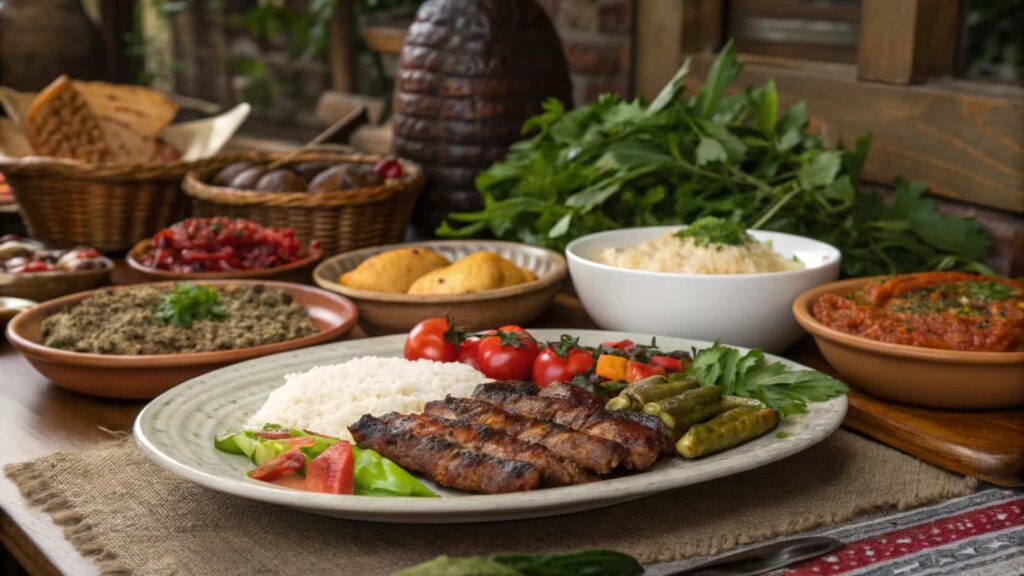
The cuisine is known for its reliance on fresh, locally-sourced ingredients, and it frequently features seasonal produce, meats, and grains. Its distinctive flavor profile is marked by the use of fresh herbs, bold spices, and rich, savory dishes that are perfect for communal dining.
The History And Culture Behind Ceıvır Cuisine – Why It’s Turkey’s Best-Kept Secret!
The history of Ceıvır dates back to ancient times, shaped by the agricultural practices of the Turkish people. Over the centuries, this cuisine has evolved, absorbing influences from neighboring regions while maintaining its own unique identity. The name “Ceıvır” itself evokes a sense of nostalgia and warmth, conjuring images of rustic feasts shared around the table.
In rural Turkey, Ceıvır developed from the need to create hearty, flavorful meals using locally available ingredients. This practice fostered a deep respect for nature’s bounty and a strong connection between people and the land. Over time, Ceıvır became a symbol of Turkish hospitality—where food is not just nourishment, but a way to bring people together.
Key Ingredients In Ceıvır Cuisine – The Flavors That Define This Hidden Gem!
Ceıvır cuisine is characterized by its use of fresh, seasonal ingredients that reflect the landscape of Turkey. The combination of vibrant herbs, spices, and nuts creates layers of flavor that are both bold and delicate. Some of the key ingredients include:
- Herbs and Spices: Fresh herbs such as dill, mint, and parsley provide refreshing flavors, while spices like sumac, cumin, and cinnamon add warmth and complexity. Sumac, in particular, is a signature flavor, offering a tangy contrast to rich dishes.
- Nuts: Walnuts and pistachios are common in Ceıvır cuisine. These nuts add texture and richness, transforming even the simplest dishes into something memorable.
- Cheese: Local Turkish cheeses are frequently incorporated into Ceıvır dishes, providing a creamy contrast to the sharper flavors of spices.
- Fruits and Sweeteners: Pomegranate molasses, figs, and honey are used to enhance both savory and sweet dishes. The use of fruit-based syrups in savory dishes adds a layer of complexity and sweetness that is characteristic of Ceıvır.
These ingredients, when combined in various ways, create a symphony of flavors that are both familiar and foreign to the average food lover.
Popular Ceıvır Dishes To Try – The Best Ceıvır Delights You Can’t Miss!
Ceıvır offers a variety of dishes, from hearty mains to indulgent desserts. Here are some classic dishes that are the heart and soul of this amazing cuisine:
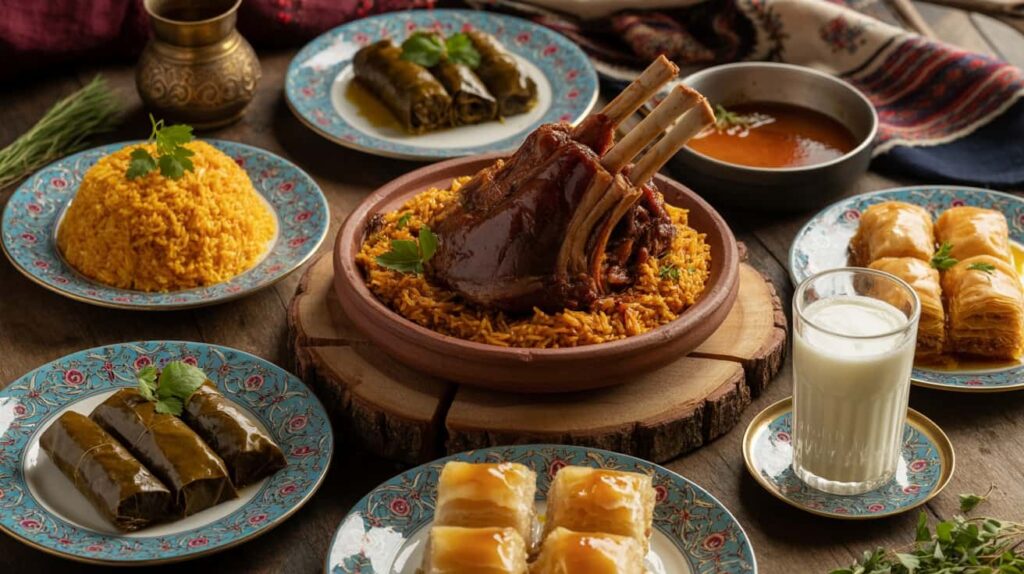
Kuzu Tandir (Slow-Roasted Lamb):
This is perhaps the most famous dish in Ceıvır cuisine. Kuzu Tandir is a slow-cooked lamb dish that is seasoned with fresh herbs and spices, making the meat incredibly tender. It’s typically cooked in a clay pot or traditional oven, allowing the flavors to meld together over several hours.
Ceıvır Pilav (Saffron Rice):
Ceıvır Pilav is a fragrant rice dish made with saffron, which gives it a golden hue and an irresistible aroma. This dish is often served with roasted vegetables or a meat accompaniment, making it a versatile side dish for any meal.
Dolma (Stuffed Grape Leaves):
Stuffed grape leaves, or Dolma, are a quintessential part of Ceıvır cuisine. They are typically filled with rice, pine nuts, and a blend of herbs, then rolled into neat little packages and simmered until tender. The tangy flavor of the grape leaves combined with the herbed rice makes this dish a crowd favorite.
Baklava with Pistachios:
No exploration of Ceıvır cuisine would be complete without mentioning Baklava. This popular dessert features layers of flaky phyllo dough, filled with crushed pistachios, and drenched in a sweet honey syrup. It’s a decadent treat that has found its way into the hearts of dessert lovers worldwide.
Ayran (Yogurt Drink):
Ayran is a traditional Turkish yogurt-based drink that is both refreshing and tangy. It’s often served alongside spicy meals to cool the palate and provide a creamy contrast to the bold flavors of Ceıvır dishes.
Why Ceıvır is Gaining Popularity Globally?
In recent years, Ceıvır has garnered increasing attention from food enthusiasts, chefs, and culinary influencers worldwide. Thanks to social media platforms and global food festivals, Ceıvır is experiencing a resurgence, with more people curious to try its unique flavours.
Restaurants around the world are beginning to offer Ceıvır dishes, making it easier for food lovers to experience this hidden gem. These restaurants are not only bringing traditional Ceıvır recipes to a global audience, but they are also experimenting with fusion versions that incorporate elements from other global cuisines. This innovation is helping Ceıvır reach new heights, attracting foodies who are eager to explore something different.
How To Incorporate Ceıvır Into Your Own Cooking?
If you’re eager to try your hand at cooking Ceıvır at home, there are a few key steps you can take to bring this cuisine into your kitchen. Here are some tips on how to start incorporating Ceıvır’s unique flavors into your meals:
Experiment with Herbs and Spices:
Begin by introducing herbs like mint, dill, and parsley into your salads, soups, or grilled meats. You can also experiment with spices such as sumac, cumin, and cinnamon to give your dishes a more complex flavor profile.
Make Use of Local Cheeses:
If you’re unable to find traditional Turkish cheeses, try using feta or labneh as a substitute. These cheeses will bring a similar creaminess and tang to your dishes.
Try Classic Ceıvır Recipes:
Start by making simple dishes like stuffed grape leaves or Ceıvır Pilav. These recipes are easy to make and offer a great introduction to the cuisine.
Add Some Sweetness:
Don’t forget the sweet side of Ceıvır! Experiment with Baklava or other honey-based desserts, and pair them with Turkish coffee for a complete meal experience.
Where To Try Ceıvır Cuisine Around The World?
As Ceıvır’s popularity continues to grow, several restaurants around the world are making it easier for people to try this exciting cuisine. Whether you’re in Turkey or traveling abroad, here are a few spots you won’t want to miss:
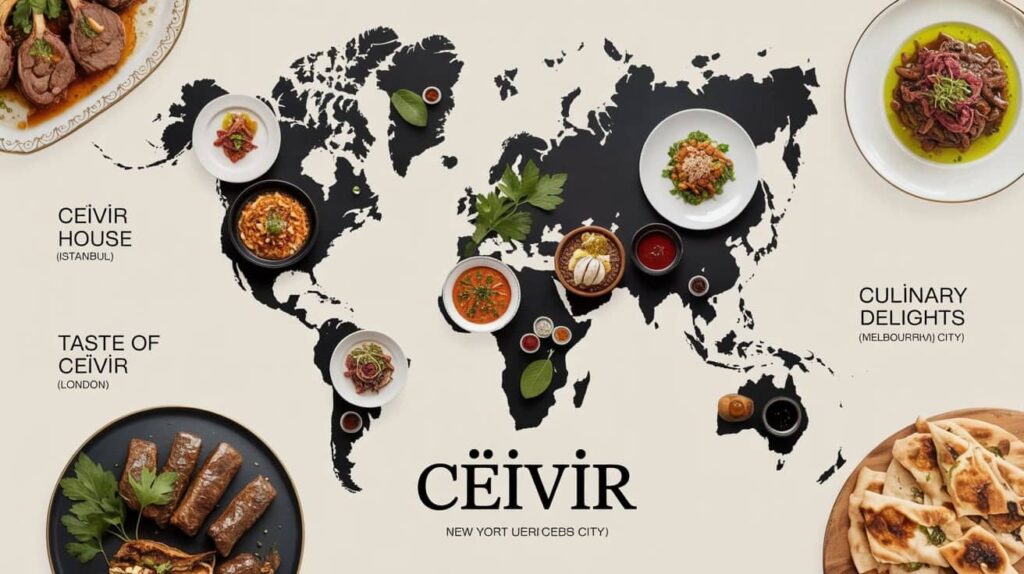
- Ceıvır House (Istanbul): This traditional Turkish restaurant offers a cozy atmosphere and serves authentic Ceıvır dishes, including slow-cooked lamb and fresh pilav.
- Taste of Ceıvır (London): A modern take on Ceıvır, this restaurant offers a fusion of traditional and contemporary flavors, with a menu that includes stuffed grape leaves and seasonal Turkish specialties.
- Culinary Ceıvır (New York City): Known for its innovative approach to Ceıvır, this restaurant brings together local ingredients and time-honored recipes to create stunning dishes.
- Ceıvır Delights (Melbourne): This Australian eatery focuses on locally-sourced ingredients while staying true to the traditions of Ceıvır cooking. Their lamb stew and flatbreads are a must-try.
FAQs:
How do I make Ceıvır Baklava at home?
To make Ceıvır Baklava, layer filo dough with a mixture of crushed pistachios or walnuts, then bake and drizzle with a honey-sugar syrup. It’s a labor of love but results in a delicious, sweet, and crunchy treat.
What drink pairs well with Ceıvır cuisine?
Ayran, a yogurt-based drink, is traditionally served with Ceıvır meals. It balances the bold, spicy flavors of the food while providing a refreshing, creamy contrast.
Is Ceıvır cuisine vegetarian-friendly?
Yes, Ceıvır cuisine offers many vegetarian-friendly dishes, such as stuffed grape leaves, salads, and vegetable pilavs. The use of fresh herbs and seasonal vegetables makes it perfect for plant-based eaters.
What makes Ceıvır different from other Middle Eastern cuisines?
While Ceıvır shares similarities with Middle Eastern cuisines, it stands out due to its heavy use of herbs like dill and mint and its reliance on seasonal produce. This gives it a fresher, more vibrant flavor profile.
Can Ceıvır cuisine be fused with other culinary traditions?
Yes, Ceıvır’s bold flavors and unique ingredients can easily be incorporated into fusion dishes. You can blend Ceıvır spices and herbs with cuisines like Mediterranean, Middle Eastern, or even modern European for a creative twist.
Conclusion:
Ceıvır is a hidden gem in the world of global cuisine, offering a rich history, vibrant flavors, and unique ingredients that make it stand out from other culinary traditions. As more people discover this lesser-known cuisine, Ceıvır is poised to take its place on the world stage.
Whether you’re dining in a local restaurant, attending a food festival, or experimenting with traditional recipes at home, exploring Ceıvır cuisine is an exciting and rewarding experience. Its bold flavors, cultural significance, and rich history offer a glimpse into a world of culinary traditions that are both ancient and timeless.
Also Read: