Levapioli – The Authentic Italian Dish You Must Try!
Levapioli, a beloved dish that traverses Italy’s culinary history, is more than just a meal—it’s a cultural journey. The dish, which features minced meats grilled or fried to perfection, reflects the diverse regions of Italy through its variations, ingredients, and cooking methods. Each variation tells a unique story, influenced by the climate, culture, and culinary practices of its region.
But its appeal isn’t confined to Italy alone; Levapioli has been adapted and embraced by food cultures across the globe, with each country putting its twist on this classic dish. Let’s explore Levapioli’s origins, its regional differences, and how it has evolved into a global sensation.
What Is Levapioli?
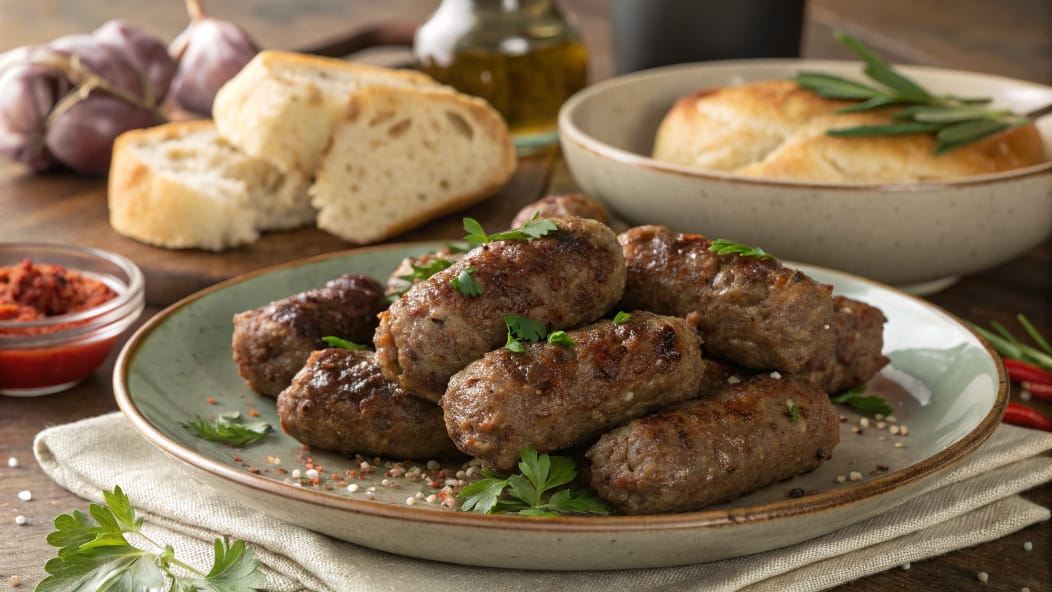
Levapioli, at its core, is a type of minced meat, usually a mixture of beef and lamb, seasoned with spices such as salt, pepper, and garlic. The meat is then shaped into small patties or sausages and grilled to perfection. Its simplicity and rich flavor profile make it a staple of Italian cuisine, yet its versatility allows for endless variations based on regional preferences.
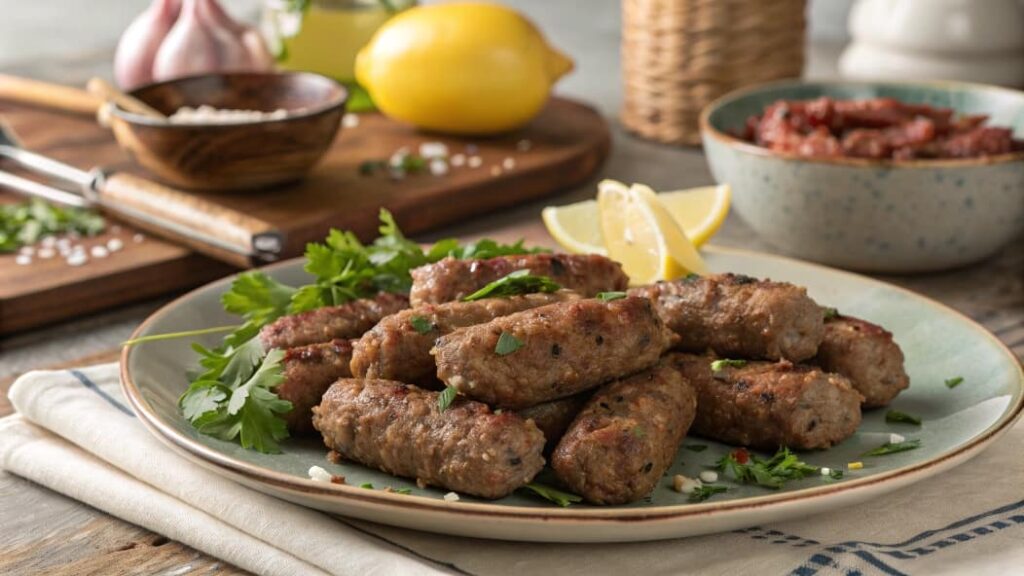
The dish’s ability to be customized with a variety of local ingredients is what makes Levapioli so intriguing. Whether it’s the creamy textures of Northern Italy or the bold and spicy flavors of Southern Italy, each bite tells a story of tradition, innovation, and local culture.
What Are The Origins Of Levapioli?
The exact origin of Levapioli is difficult to pinpoint, but it is believed to have originated in Italy, where the practice of seasoning and grilling meat dates back centuries. Historically, it was a dish commonly made with lamb, but regional variations have incorporated beef, pork, and even chicken, depending on availability and local preferences.
Some food historians suggest that Levapioli may have been influenced by Middle Eastern kebabs, as the grilling and skewering of meat over an open flame are common practices in many cultures. This fusion of ideas and culinary techniques helped Levapioli evolve into the dish we know today.
Traditional Levapioli – Classic Recipes And Preparation Methods!
The beauty of Levapioli lies in its simplicity, but this simplicity also leaves room for creativity. Here’s a traditional way to make Levapioli:
Ingredients:
- 500g minced beef
- 500g minced lamb
- 2 cloves garlic, finely chopped
- Salt and pepper to taste
- Fresh herbs (rosemary, thyme, or parsley)
Preparation:
- Mix the Meat: Combine the beef and lamb in a large bowl. Add salt, pepper, garlic, and any fresh herbs you like. Mix the ingredients until smooth.
- Shape the Mixture: Form the mixture into small patties or sausages, making sure they are consistent in size for even cooking.
- Grill or Fry: The most popular way to cook Levapioli is by grilling it over an open flame, which gives it a smoky flavor. Alternatively, you can fry it in olive oil for a crispy exterior.
Serving:
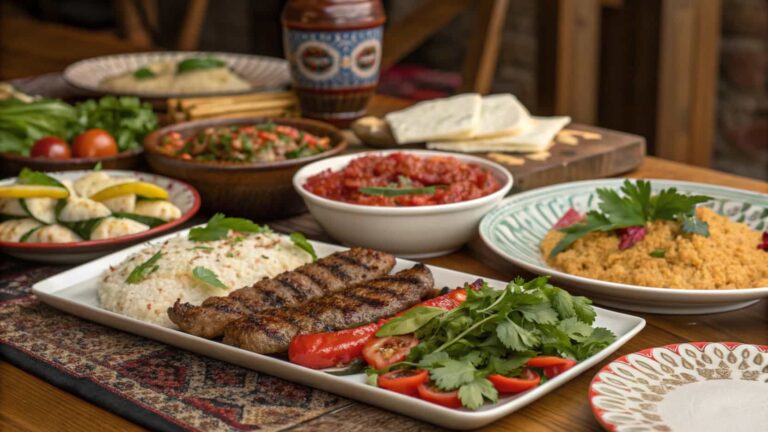
Levapioli is often served with fresh bread, roasted vegetables, or a side of homemade chutney. Some people love pairing it with a tangy mustard or garlic sauce to enhance the flavors even further.
Regional Variations Of Levapioli – A Regional Flavor Adventure!
Levapioli is a dish that beautifully adapts to the unique flavors and ingredients of different regions in Italy. Each area adds its own twist, making every variation special and delicious.

Northern Italy:
- Richer flavor with added Parmigiano-Reggiano or Gorgonzola for a creamy texture.
- Fresh herbs like rosemary and parsley for an aromatic touch.
- Often grilled or baked, creating a deep, savory flavor.
Central Italy:
- Simple, focusing on the meat’s quality.
- Rosemary and sage in Tuscany, and garlic and red pepper flakes in Rome.
- Perfect for those who love the pure taste of meat with a little spice.
Southern Italy:
- In coastal areas, seafood like shrimp or scallops might be mixed in for a Mediterranean flair.
- Bold, with chili flakes, garlic, and sun-dried tomatoes adding heat and flavor.
- Orange zest in Sicily for a fresh citrus twist.
How The Dish Has Transformed Worldwide? – Levapioli Goes Global!
Levapioli’s rich flavor and versatility have made it a favorite far beyond Italy. Across the world, each country has put its own spin on this classic, creating exciting new variations that reflect local tastes and ingredients.
Levapioli in the United States: Bold and Fusion-Inspired
In the U.S., Levapioli is popular in casual eateries and food trucks, often with bold spices and American twists like barbecue sauce or jalapeños. Some versions swap beef and lamb for turkey or chicken, making it a unique fusion dish.
Levapioli in Canada: A Sweet Touch
Canadian versions of Levapioli often feature maple syrup in the marinade, adding a sweet note to balance the savory meat. Local wild herbs and spices are also commonly used, reflecting the country’s rich agricultural heritage.
Levapioli in Brazil and Australia: Global Influences
In Brazil, Levapioli is seasoned with picanha spices, often served at churrascarias with farofa. In Australia, Levapioli is influenced by Asian flavors, with ginger and spices making their way into the meat, showcasing diverse global adaptations.
What Makes Levapioli So Special?
Levapioli is a dish that combines simplicity with rich, flavorful ingredients, making it a standout in Italian cuisine. Here are five reasons why Levapioli is so special:
- Grilled Perfection: Grilling over an open flame gives Levapioli a smoky depth that enhances its flavors, creating a mouthwatering dish every time.
- Unique Blend of Meats: The combination of beef and lamb gives Levapioli a rich and savory flavor profile that is hard to match in other dishes.
- Versatility: It can be adapted to suit different tastes, whether by adding spices, herbs, or even cheeses, making it a dish for all occasions.
- Regional Variations: Each region in Italy adds its own touch to Levapioli, from creamy versions in the north to spicy renditions in the south.
- Simple Yet Flavorful: Despite its simple ingredients, Levapioli packs a punch with aromatic seasonings, providing an unforgettable taste with every bite.
How long should Levapioli be grilled?
Levapioli should be grilled for about 10-12 minutes, turning occasionally to ensure even cooking. The meat should be browned on the outside while remaining tender and juicy on the inside.

It’s important to check the internal temperature to ensure it’s fully cooked, aiming for around 160°F (71°C). Grilling over medium heat works best to avoid burning while allowing the flavors to develop. For the best results, don’t overcrowd the grill to ensure each piece cooks properly.
What Makes Levapioli Different From Kebabs?
| Feature | Levapioli | Kebabs |
|---|---|---|
| Meat | Typically made with a mix of beef and lamb | Can be made with various meats (beef, lamb, chicken, pork, etc.) |
| Seasoning | Seasoned with garlic, salt, pepper, and herbs like rosemary | Seasoned with a variety of spices (e.g., cumin, paprika, garlic) |
| Shape | Shaped into small sausages or patties | Usually formed into larger chunks or skewered |
| Cooking Method | Grilled over open flame or fried in olive oil | Grilled on skewers, often over a charcoal grill |
| Regional Variations | Varies across Italy, often with cheese and regional herbs | Varies widely worldwide, with many regional styles (e.g., Middle Eastern, South Asian) |
FAQs:
Can Levapioli be made vegetarian?
Yes, Levapioli can be made vegetarian by substituting the minced meat with plant-based options like lentils or vegetables. The spices and seasoning can be kept the same, making it a delicious alternative for vegetarians.
What sides go well with Levapioli?
Levapioli is often served with fresh bread, roasted vegetables, or a tangy chutney. In Southern Italy, it is commonly paired with caponata, a sweet and sour eggplant dish. These sides enhance the savory profile of the Levapioli.
Can Levapioli be frozen?
Yes, Levapioli can be made in advance and frozen for future use. Simply shape the meat mixture into patties or sausages, wrap them tightly, and freeze. When ready to cook, just grill or fry from frozen, adding extra cooking time.
What type of bread is best for serving Levapioli?
Levapioli is typically served with rustic, crusty bread such as ciabatta or baguette. These types of bread help soak up the savory juices from the meat, enhancing the eating experience.
What are the key spices used in Levapioli?
Levapioli is seasoned with a variety of spices, with garlic, salt, and pepper being the base. Depending on the region, you might also find rosemary, parsley, chili flakes, and fennel seeds used to enhance flavor.
Conclusion:
Levapioli is a dish that shows off the best of Italian cooking, loved for its simple yet tasty flavors. From the creamy versions in the north to the spicy ones in the south, it has something for everyone.
As Levapioli has traveled around the world, it’s picked up new flavors and ideas, becoming a favorite everywhere. Whether you’re having the traditional Italian version or a fun new twist, Levapioli keeps inspiring people and staying true to its roots.
Also Read: